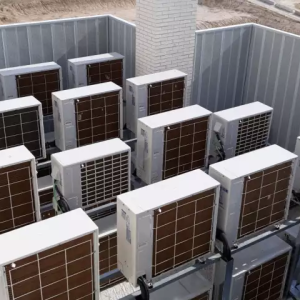
Acoustic Rectangular Silencers for industrial noise control
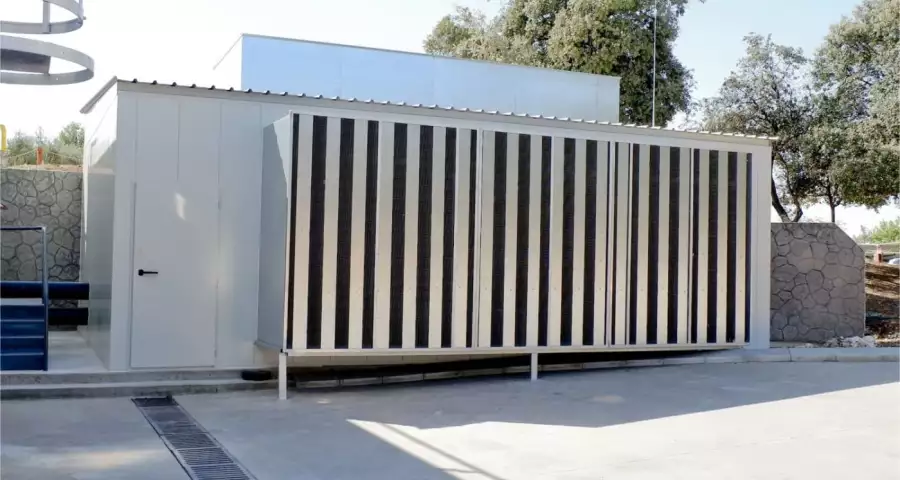
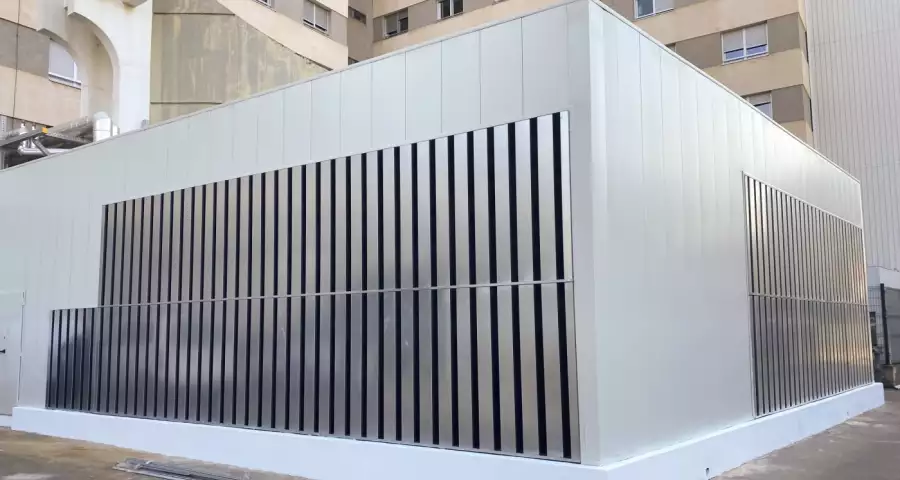
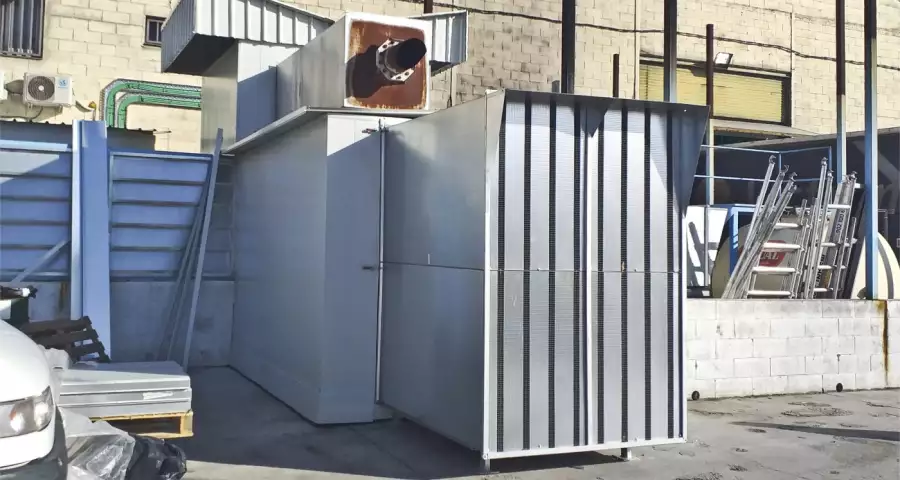
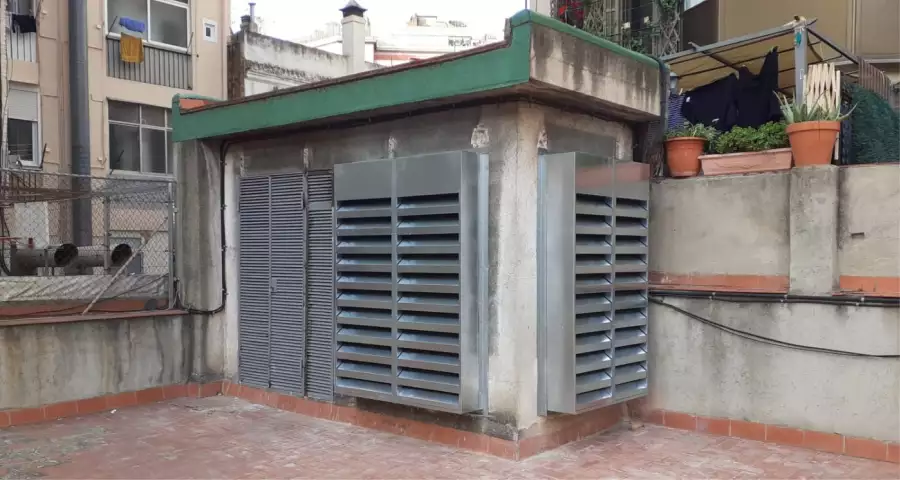
Acoustic Rectangular Silencers are high-performance attenuation units engineered for industrial noise control. They are essential for ventilation systems, mechanical plant rooms, and acoustic enclosures, allowing vital airflow to pass in and out of a space while heavily damping airborne machinery noise.
Attenuation: The reduction in strength or volume of a sound wave as it passes through a acoustic medium.
Pressure Drop: The loss of air pressure caused by friction or resistance as air flows through the internal baffles of the silencer.
Key Engineering Features
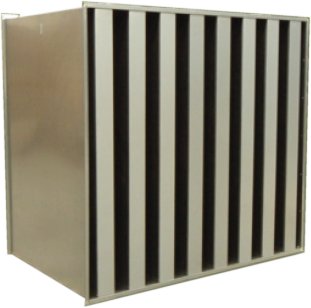
Acoustically Lined Cells: Internal baffles filled with sound-absorbing materials to trap and attenuate noise as it travels through the unit.
Balanced Airflow Design: Silencers must be sized accurately to maintain proper machinery ventilation. Because internal baffles restrict the passage of air, units must be large enough to prevent unacceptable pressure drops while maintaining required airflow volume.
Customisable Accessories & Options
Mouths: Flanged inlets and outlets to seamlessly connect the silencer to industrial ducting or enclosure frameworks.
Anti-Bird Mesh: Heavy-duty wire screening to prevent birds and wildlife from nesting inside the open airflow channels.
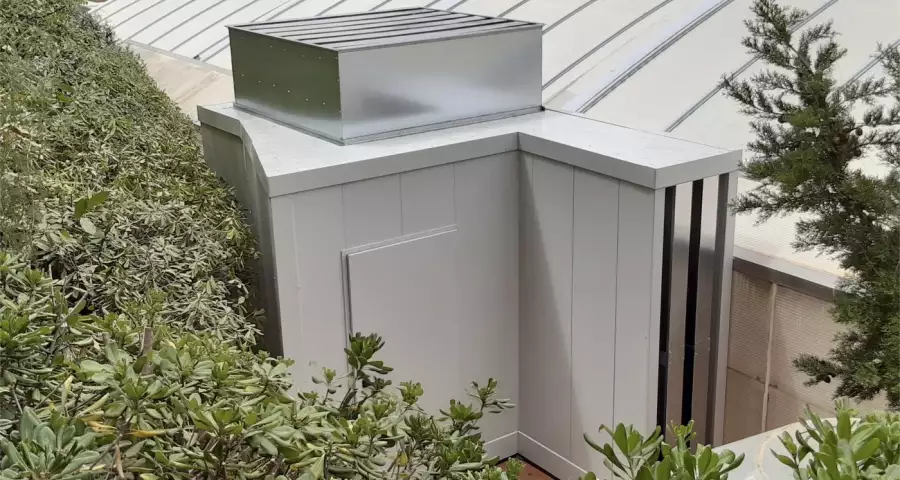
Rain Hoods & Flat Rain Covers: Weather-proof caps that shield the vertical or horizontal face of the silencer from water ingress.
Swan-Neck Rain Covers: Curved, downward-facing duct attachments designed to block driving rain in exposed, harsh outdoor environments.
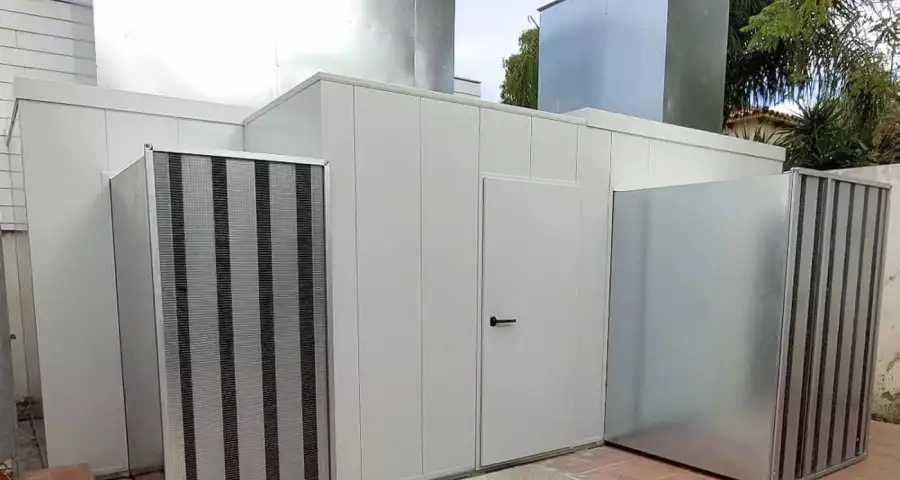
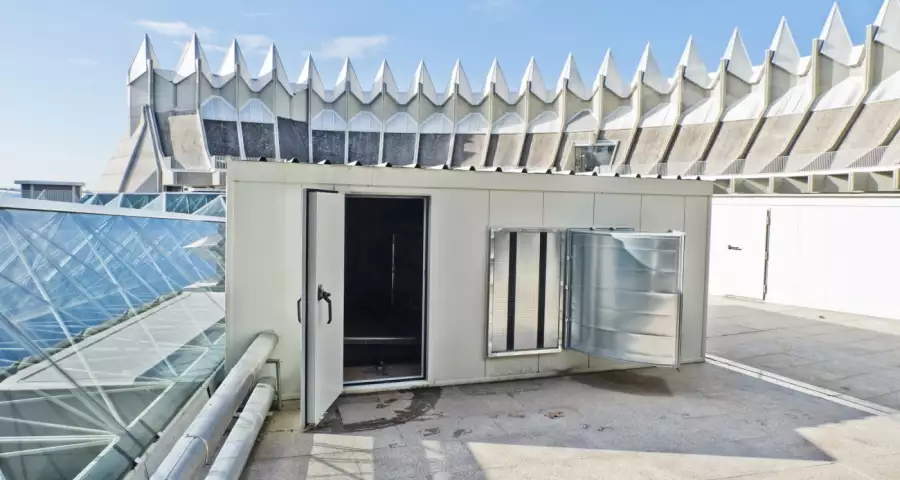
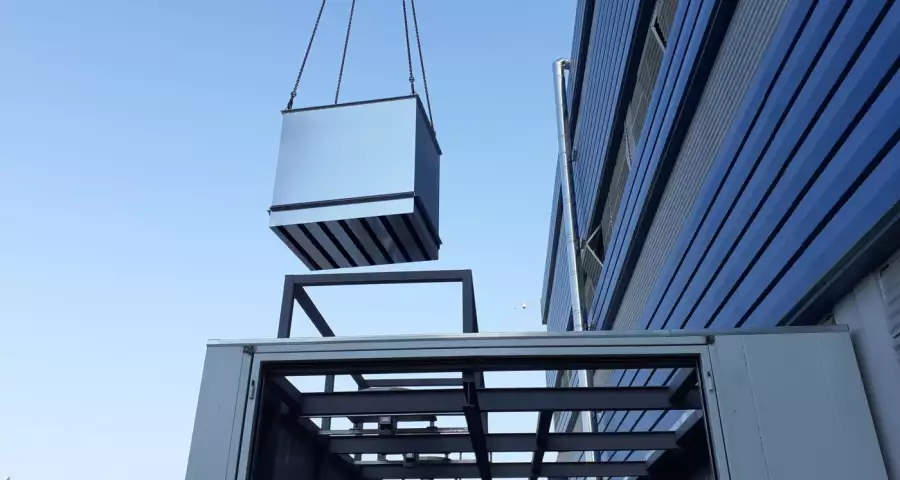
Rectangular acoustic silencer for use with the AC80 enclosure system
Technical Specifications
Covers and fixtures
1.2mm e.galvanised sheet and perimeter frame made with a METU joint
Cells
0.8mm e.galvanised sheet with flat finishes at both ends
Absorbent
50kg/m3 mineral wool
Cell finishes
Protective black hood
Models
4 available
Cell width
150mm
Airflow channel width
50,75,100 and 150mm depending on model
Max. usage temp.
200°C
Acoustic Performance per Model
CAS-150
Freq, Hz
63
125
250
500
1k
2k
4k
8k
Length 1m
2
3
11
21
31
29
14
10
Length 2m
4
7
20
38
54
51
23
14
CAS-100
Freq, Hz
63
125
250
500
1k
2k
4k
8k
Length 1m
5
5
14
26
43
43
25
15
Length 2m
7
9
26
48
54
62
41
23
CAS-75
Freq, Hz
63
125
250
500
1k
2k
4k
8k
Length1m
4
6
16
31
41
52
32
23
Length2m
6
11
30
51
55
63
54
33
CAS-50
Freq, Hz
63
125
250
500
1k
2k
4k
8k
Length 1m
7
8
22
36
51
55
43
30
Length 2m
10
16
39
51
56
64
62
45
The insertion losses above are in duct, without flow, as per UNE-EN ISO 11691:2010. Please contact our technical department for flow rate pressure drop data.
To provide the best experiences, we use technologies like cookies to store and/or access device information. Consenting to these technologies will allow us to process data such as browsing behavior or unique IDs on this site. Not consenting or withdrawing consent, may adversely affect certain features and functions.
Functional
Always active
The technical storage or access is strictly necessary for the legitimate purpose of enabling the use of a specific service explicitly requested by the subscriber or user, or for the sole purpose of carrying out the transmission of a communication over an electronic communications network.
Preferences
The technical storage or access is necessary for the legitimate purpose of storing preferences that are not requested by the subscriber or user.
Statistics
The technical storage or access that is used exclusively for statistical purposes.The technical storage or access that is used exclusively for anonymous statistical purposes. Without a subpoena, voluntary compliance on the part of your Internet Service Provider, or additional records from a third party, information stored or retrieved for this purpose alone cannot usually be used to identify you.
Marketing
The technical storage or access is required to create user profiles to send advertising, or to track the user on a website or across several websites for similar marketing purposes.